

Discover How Nursing Informatics Can Streamline Data Management and Enhance Patient Care
In today’s dynamic healthcare environment, nurse leaders and decision-makers face numerous challenges, from managing vast amounts of data to driving improvements in patient care. As a specialized discipline, nursing informatics plays a pivotal role in addressing these challenges. By establishing nursing informatics as a dedicated department or area of expertise, healthcare organizations empower nurse leaders to make data-driven decisions that improve patient outcomes and streamline operations.
Understanding the Pain Points
Nurse leaders often grapple with data management issues, time constraints, and the constant pressure to enhance patient care. Without a structured approach to data management and the support of appropriate technologies, these pain points can impede strategic decision-making and patient-centered care.
The Role of Nursing Informatics
According to the American Nurses Association (ANA), nursing informatics is the integration of nursing science, computer science, and information technology to effectively manage and communicate data, information, and knowledge within a nursing practice. By leveraging nursing informatics, nurse leaders can address their pain points effectively.
Benefits of Nursing Informatics
- Centralized Data Management: A dedicated informatics team streamlines the collection, organization, and analysis of clinical data, ensuring nurse leaders have timely access to actionable insights.
- Time Savings: By standardizing data practices and automating routine tasks, an informatics department helps reduce administrative burden, freeing nurse leaders to focus on strategic initiatives and patient care.
- Enhanced Patient Care: With accurate, real-time data, nurse leaders can identify trends, monitor quality metrics, and implement evidence-based interventions, ultimately improving patient outcomes and elevating the quality of care.
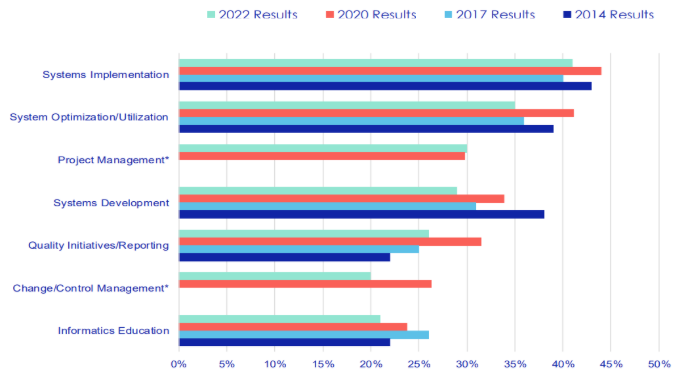
The chart below from the 2023 HIMSS Nursing Informatics Workforce Survey offers valuable insight into the core responsibilities of nurse informaticists—responsibilities that have remained remarkably consistent over time:
Clinical Impact
Consider a hospital that established a nursing informatics department to support clinical decision-making. The department collaborated with nursing units to optimize documentation workflows and implement predictive analytics tools. As a result, nurses spent less time on administrative tasks, and nurse leaders were able to proactively address patient risks, reduce readmission rates, and improve overall care coordination.
Nursing informatics is a vital discipline that supports modern nursing leadership. By investing in a dedicated nursing informatics department, healthcare organizations can unlock the full potential of their data, enhance clinical decision-making, and drive better outcomes for patients and providers alike.
Explore the Possibilities
Interested in building or strengthening your nursing informatics capabilities? Learn how TigerConnect can support your organization’s journey toward smarter, data-driven care. Contact us today to discover tailored solutions your nursing leadership team can leverage.
Featured Resources


Related Articles



See TigerConnect in Action
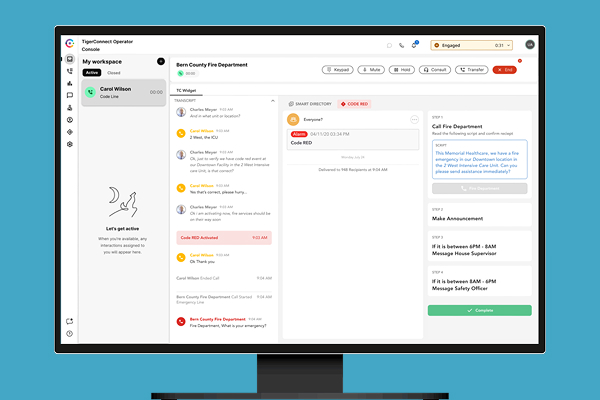
Book a demo to see how TigerConnect’s HIPAA-compliant, best-in-class collaboration platform can help clinicians and ancillary staff coordinate care more efficiently.
Learn more about Clinical Collaboration Software Platform, Resident Scheduling Software, Physician Scheduling Software, Alarm Management & Event Notification Software & Patient Engagement Software.


