
Every unit has heard it: the constant beeping that blends into background noise until, on a bad day, it doesn’t. Hospital alarm fatigue happens for a simple reason. Most alarms don’t need a response, but a nurse still has to hear every single one to find out. Over time, that trains clinicians to tune alarms out, and that’s exactly the moment a real emergency can slip past.
Five practical ways hospitals are getting alarm fatigue under control
1. Put one team in charge of the problem
Hospital alarm fatigue touches nursing, biomed, and IT all at once, which is exactly why it tends to fall through the cracks between departments. Give one interdisciplinary group ownership of alarm policy, with a seat at the table for each of those functions, and decisions actually get made instead of debated indefinitely.
2. Stop using factory default settings
A telemetry unit and a general medicine floor don’t have the same patients or the same risk, so they shouldn’t have the same alarm thresholds. Setting parameters by unit, rather than relying on whatever a monitor shipped with, is one of the fastest ways to cut alarms that were never relevant to begin with.
3. Fix the basics at the bedside
Many alarm reduction strategies start with fundamentals. Loose electrodes and inadequate skin prep generate a surprising number of false alarms, and simple practices such as daily ECG electrode changes and proper skin preparation can substantially reduce unnecessary alert volume. Building on that foundation, modern alarm management platforms further improve signal quality by suppressing self-resolving events and delivering only sustained, actionable alerts to the right clinician at the right moment, helping reduce alarm fatigue and support safer, more efficient care.
4. Filter before you broadcast
The instinct with alarms is to send everything to everyone, just in case. That approach guarantees fatigue. A better alarm management solution filters out alarms that are transient or self-correcting before they ever reach a device, and routes what’s left to the caregiver actually assigned to that patient, with the context they need to act on it right away.
5. Escalate automatically, and keep tuning
An alarm nobody acknowledges is almost as dangerous as one nobody heard. Build in automatic escalation so an unanswered alert reaches someone else without requiring a person to notice the silence. And don’t treat alarm management as a project with an end date. Keep watching volume and response times, and keep adjusting.
Where Alarm Management becomes sustainable
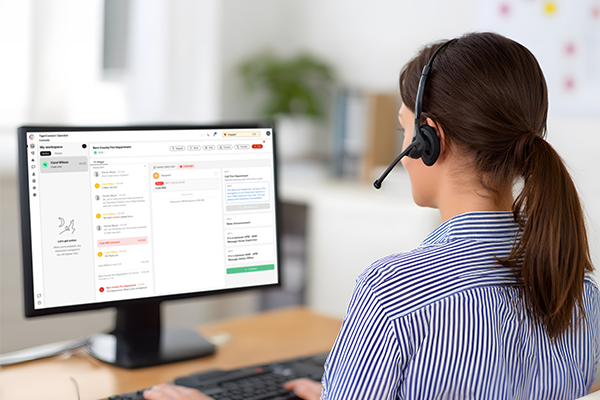
Bedside habits and unit policy get a hospital most of the way there. The rest comes down to having a system built to filter, prioritize, and route alerts the way these five practices to reduce hospital alarm fatigue call for. That’s the problem TigerConnect Alarm Management is built to solve: unifying alarm data across monitors, nurse call, and lab systems, and getting actionable, context-rich alerts to the right caregiver, with automatic escalation built in.
Yale New Haven Hospital paired changes like these with TigerConnect and cut alarm fatigue by 60%. Proof that fixing this doesn’t require choosing between clinical practice and technology. It requires both, working together.
See how TigerConnect Alarm Management works in a 15-minute demo, or download the datasheet.
Featured Resources



Related Articles